
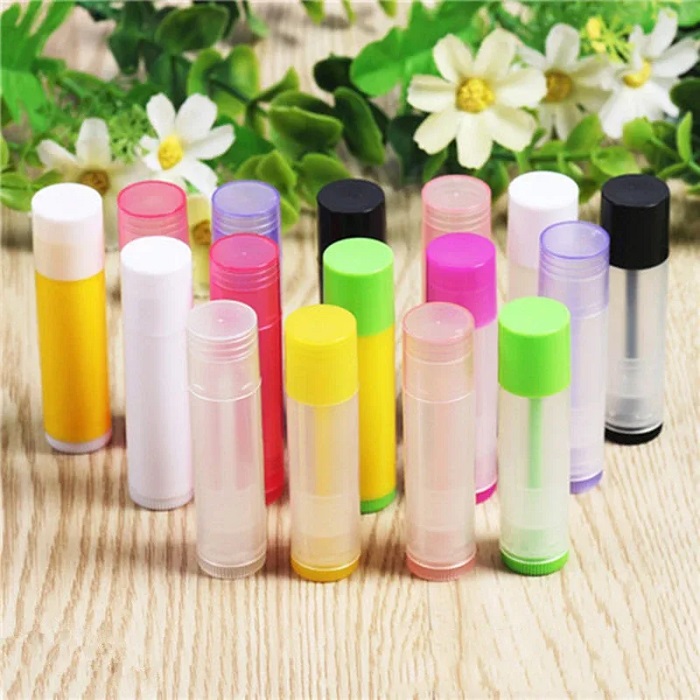
Lip balm can be packaged in several formats, from traditional twist-up sticks to squeeze tubes, jars, and applicator containers. Each format creates a different consumer experience and requires a different filling process.
The right choice depends on whether the formula is solid, semi-solid, gel-like, or liquid. Brands must also consider application hygiene, portability, decoration space, sustainability goals, and protection against heat or leakage.
Comparing the main formats helps buyers select packaging that supports both formula performance and market positioning.
Twist-Up Lip Balm Sticks
Twist-up sticks are the most familiar format for solid lip balm.
The package normally includes an outer body, internal elevator, rotating base, and cap. Turning the base raises or lowers the product.
This format is convenient, portable, and easy to apply without using fingers. It works well for wax-based formulas that remain sufficiently firm at normal temperatures.
Buyers should test the elevator mechanism, cap fit, formula adhesion, and resistance to heat. A balm that becomes too soft may tilt, break, or detach from the internal cup.
Standard cylindrical sticks are economical, while oval or custom-shaped versions can create stronger differentiation.
Squeeze Tubes
Squeeze tubes are suitable for soft balms, lip gels, glossy treatments, and ointment-style products.
They may use a slanted tip, rounded nozzle, or precision opening. The user gently squeezes the tube and applies the formula directly to the lips.
This packaging offers more flexibility than a solid stick because it can handle formulas with lower wax content.
The tube material and opening size must match the viscosity. A wide opening may release too much product, while an opening that is too narrow can make a thick balm difficult to dispense.
Squeeze tubes also offer a relatively large surface for printing compared with small twist-up sticks.
Pots and Jars
Small pots are often used for rich balms, overnight lip masks, and multi-use products.
They provide a wide opening, allowing users to collect the product with a finger or spatula. The format can support a premium appearance, particularly when thick-walled plastic or glass-like materials are used.
The main disadvantage is direct contact with the formula. Brands may include a small applicator to improve hygiene, but this adds another component that can be lost.
Pots may also expose more of the product to air each time they are opened.
Wand Applicator Tubes
Liquid lip balms, oils, and glossy treatments can use packaging similar to lip gloss.
These containers include a cap, stem, wiper, and applicator. Doe-foot, brush, and silicone tips are all possible.
Wand packaging provides controlled application and can support premium decorative effects. It is especially suitable for hybrid products positioned between lip care and color cosmetics.
When comparing this format with conventionallip gloss tubes, buyers should focus on formula viscosity and treatment claims rather than the product name. A liquid balm may need a narrower wiper or different tip from a thick gloss.
Paper-Based Push-Up Tubes
Paperboard push-up tubes are sometimes selected by brands seeking to reduce conventional plastic use.
The user pushes the base upward to expose the balm. The package can support natural, handmade, or environmentally focused branding.
However, paper formats have technical limitations. They may offer less protection against oils, moisture, crushing, and temperature changes.
The internal coating, adhesive, and product compatibility must be reviewed carefully. Consumers may also find it harder to retract the product after it has been pushed upward.
Packaging Materials
Common lip balm packaging materials include PP, PE, PETG, ABS, acrylic, aluminum, and paperboard.
PP is widely used for twist-up mechanisms because it provides stiffness and reliable movement. PE is common in flexible squeeze tubes. PETG and acrylic-style materials can create clear or premium-looking applicator containers.
The material must remain stable in contact with oils, waxes, flavorings, fragrances, and active ingredients.
Decoration Options
Small packages provide limited artwork space, so designs need to remain clear and readable.
Decoration may include:
- Silk-screen printing
- Hot stamping
- Labels
- Custom colors
- Metallized caps
- Matte or gloss finishes
- Embossed logos
Secondary cartons can provide additional space for ingredients, instructions, claims, and regulatory text.
Filling and Testing
Twist-up sticks are commonly filled with heated liquid balm that cools and solidifies inside the package. Squeeze tubes and applicator containers use different filling and sealing equipment.
The packaging should be tested for leakage, heat stability, cap retention, mechanism function, product breakage, compatibility, and transport resistance.
Brands should also conduct consumer-use tests. A technically functional package may still release too much product, feel uncomfortable, or become messy around the opening.
The best lip balm packaging aligns the formula state with the right dispensing method. Twist-up sticks suit solid balms, squeeze tubes support softer formulas, pots work for rich treatments, and wand tubes fit liquid or glossy lip care products.